

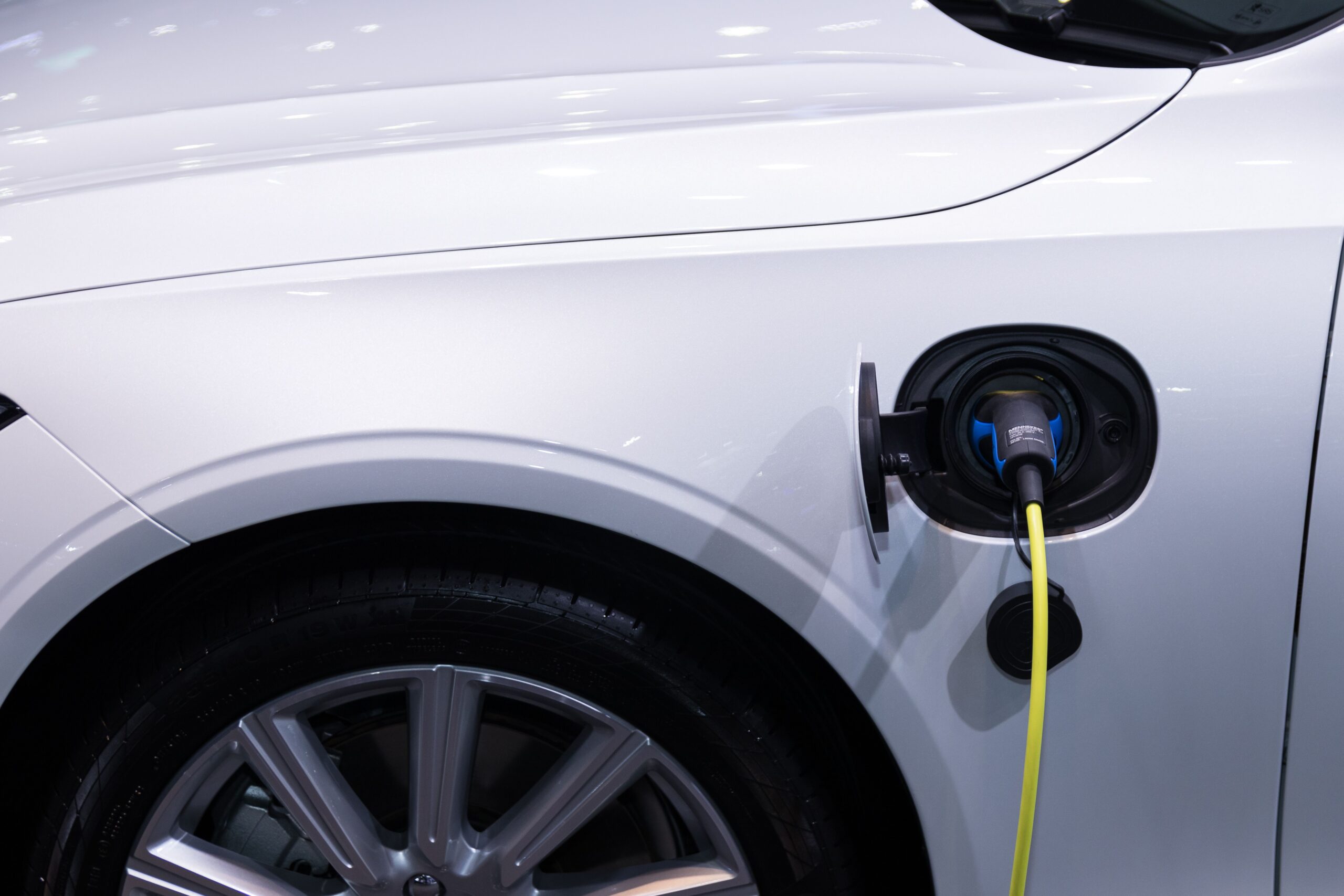
The UK Government has announced changes designed to make home EV charging more accessible for drivers who do not have off-street parking.
From 21 October, homeowners will no longer need to obtain planning permission before installing a cross-pavement EV charging solution. The change is intended to reduce both the cost and complexity of installing home charging, with ministers estimating savings of up to £300 per installation.
The update is particularly significant for EV drivers who park on the street outside their homes, helping more households benefit from the convenience and lower running costs of charging at home.
The Government has also updated permitted development rights to make it quicker and more cost-effective for charge point operators to install larger, higher-powered public charging hubs, supporting the continued growth of the UK’s charging infrastructure.
It’s important to note that while planning permission is no longer required for cross-pavement charging installations, approval from the relevant local authority will still be needed before work can proceed.
Simon Lightwood, minister for buses and local transport, said: “We’re saving drivers up to £300 off the cost of installing home charging by cutting unnecessary red tape.
“The EV transition is in full swing, sales are up 36% on last year and over 190,000 have saved thousands making the switch in the last year alone.”
What This Means for Drivers
For motorists considering switching to an electric vehicle, these changes remove another barrier to EV ownership. Easier access to home charging could make electric motoring a more practical option for millions of UK households, particularly those without a driveway.
At TCH Leasing, we continue to monitor developments in EV infrastructure and legislation to help businesses and drivers make informed decisions about their next vehicle.