

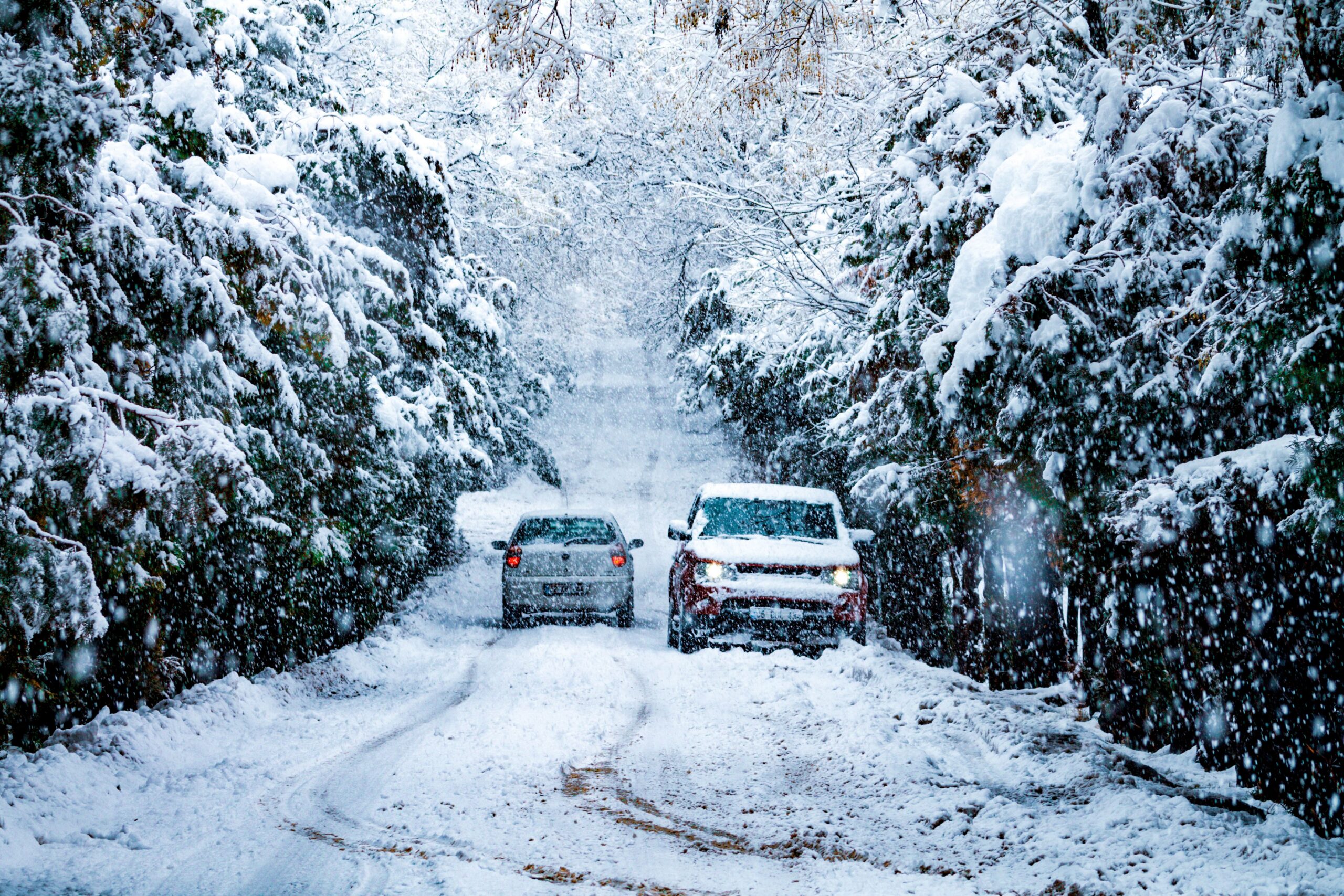
The clocks are going back, the evenings are getting darker and wetter weather is becoming a regular feature of the forecast after a particularly dry summer. Before long, frost and icy roads will be another consideration for drivers across the UK.
For fleet managers, the change of season means more than turning up the office thermostat. Autumn and winter bring additional challenges for businesses operating cars and vans, making this an important time to review vehicle condition, journey planning and the guidance provided to employees who drive for work.
At TCH Leasing, we understand that keeping a fleet moving throughout winter is about balancing safety, compliance and day-to-day operational requirements. Here are some of the key areas fleet managers should consider heading into winter 2026.
Winter Driving Hazards
British weather can be unpredictable at any time of year, but autumn and winter bring a particularly challenging combination of wet roads, reduced visibility, lower temperatures, low sunshine, strong winds and the possibility of ice.
These conditions don’t just make journeys less comfortable. They can affect how vehicles handle and increase the amount of time and distance drivers need to react safely.
Wet weather
Heavy rainfall can significantly affect road conditions. Reduced tyre grip can make braking less effective, while standing water increases the risk of aquaplaning.
Surface water and spray from other vehicles can also considerably reduce visibility, particularly on busy motorways and A-roads.
Drivers should therefore allow additional space between themselves and the vehicle ahead and adjust their speed to suit the conditions.

Darker evenings and low sun
Shorter days mean more business journeys may take place in low-light conditions.
Low autumn and winter sun can be just as difficult to deal with. When sunlight sits directly in a driver’s line of sight, visibility can change very quickly.
Keeping windscreens clean inside and out, ensuring screenwash is topped up and checking that wipers are in good condition can make a considerable difference.

Leaves and debris
Wet leaves can create unexpectedly slippery surfaces, particularly on quieter roads and around bends.
Drivers should be encouraged to anticipate these hazards and adjust their speed accordingly rather than relying on last-minute braking.

High winds
Strong winds can create additional challenges, particularly for vans and other high-sided vehicles.
Exposed roads and bridges can be especially challenging during severe weather, while sudden crosswinds can also affect vehicle stability. Fleet managers should therefore consider weather conditions when planning journeys, rather than expecting schedules to remain unchanged regardless of the forecast.
Your Fleet Responsibilities are Even More Apparent in Winter
Poor weather doesn’t remove an employer’s responsibilities towards people who drive for work.
For fleet managers, autumn is consequently a good opportunity to review driving-for-work policies and make sure employees understand what is expected when conditions become more challenging.
Journey planning should consider factors such as:
- Appropriate routes
- Realistic journey and working times
- Driver fatigue
- Forecast weather conditions
- Road closures, flooding and other potential disruption
This becomes particularly important when poor weather makes journeys slower.
A schedule that is perfectly achievable during a dry summer afternoon may be much more difficult during heavy rain on a dark December evening. Building flexibility into schedules can help prevent drivers feeling pressured into making up time when conditions aren’t suitable.
How to Prepare Your Fleet for Winter 2026/27
Winter preparation doesn’t need to be complicated. A few straightforward checks and procedures can help your business and drivers enter the colder months better prepared.
1. Check Your Vehicles
Before temperatures fall further, give your fleet a winter health check.
Key areas to inspect include:
- Tyres: Check condition, tread depth and pressures regularly.
- Oil and coolant: Make sure levels are correct and investigate unexpected changes.
- Lights: Check that all lights work correctly and keep lenses clean.
- Wipers: Replace damaged or ineffective wiper blades.
- Screenwash: Keep reservoirs topped up and use a suitable screenwash concentration for colder temperatures.
- Windscreens: Address damage and make sure drivers can maintain a clear view of the road.
If you’ve recently introduced new vehicles into your fleet, it’s also worth ensuring drivers understand features such as demisters, heated windscreens and the vehicle’s driver-assistance systems before they need them.
2. Review Journey Planning
With shorter daylight hours, journey planning becomes even more important.
Where practical, businesses can look at scheduling journeys to make better use of daylight. Drivers should also be given realistic journey times that take account of slower speeds and potential disruption during poor weather.
Fleet managers may also want to consider alternative routes when severe weather is forecast, particularly when a journey involves areas susceptible to flooding or highly exposed roads.
Most importantly, don’t create schedules that encourage drivers to rush.
Getting somewhere slightly later is preferable to putting a driver, vehicle or other road users at unnecessary risk.
3. Keep Your Drivers Informed
Even experienced drivers benefit from a reminder of how conditions can change during autumn and winter.
Regular fleet communications, toolbox talks or team meetings provide an opportunity to reinforce simple messages such as:
- Increase following distances in poor weather.
- Reduce speed to suit visibility and road conditions.
- Make sure windscreens are completely clear before starting a journey.
- Keep lights and number plates clean and visible.
- Use fog lights appropriately when visibility is seriously reduced.
- Never drive through flood water when its depth or safety is uncertain.
- Allow additional time rather than rushing to keep to a summer journey schedule.
It’s also worth reminding employees that winter preparation isn’t only the responsibility of the fleet manager. Drivers should report vehicle defects promptly so issues can be addressed before they become more serious.
4. Prepare for the Unexpected
Breakdowns and delays can happen at any time, but spending an extended period at the roadside is particularly unpleasant during winter.
Consider equipping company vehicles with a basic winter kit containing items such as:
- Warm clothing or a blanket
- High-visibility clothing
- Ice scraper and de-icer
- Torch
- Drinking water
- Snacks
- Fully charged mobile phone or in-car charger
- Power bank
Drivers undertaking longer journeys should also check traffic and weather conditions before setting off.
5. Look at the Bigger Fleet Picture
Winter preparation isn’t only about what is sitting in the vehicle’s boot.
This can also be a useful time to assess whether your fleet is still suited to the job it’s being asked to do.
Are older vehicles creating increasing maintenance requirements? Could newer cars or vans improve uptime? Is the fleet the right size for the business? Could moving to alternatively fuelled or electric vehicles support your longer-term fleet objectives?
Reviewing these questions before problems arise can make fleet management considerably easier.
Keep Your Fleet Moving with TCH Leasing
Preparing for winter is ultimately about reducing avoidable disruption.
Regular vehicle checks, sensible journey planning, clear driver communication and realistic schedules can all help businesses navigate the colder months while keeping their fleet operating effectively.
And if winter 2026 has highlighted that it’s time to review your current cars or vans, TCH Leasing can help you explore your options.
Whether you’re looking to replace individual vehicles, review a larger company fleet or understand the leasing options available to your business, our team can help you find a solution that fits your operational requirements.
Get in touch with TCH Leasing to discuss your 2026/27 fleet requirements and start planning for the road ahead.